
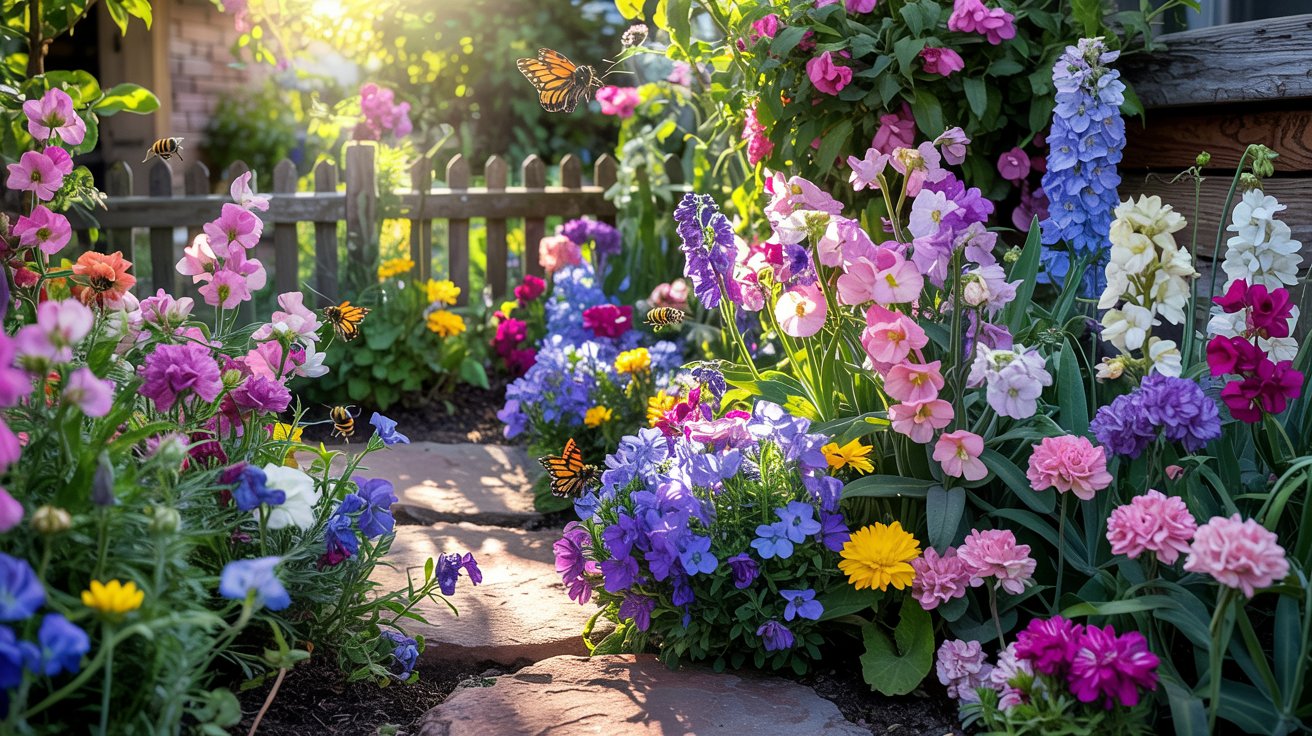
Hardy Annual Flowers: 10 Easy-to-Grow Varieties for Your Spring Garden in 2025
Are you looking for flowers that can handle a bit of cold while bringing early beauty to your garden?
Hardy annual flowers are the champions of spring gardens, often being the first to bloom and providing gorgeous colors when most plants are just waking up.

You’ll love how easy hardy annuals are to grow! Many can be sown directly outdoors where you want them to flower, saving you time and effort. When you plant them in autumn, they establish strong roots over winter and reward you with earlier, more abundant blooms.
In the following sections, we’ll share our favorite hardy annuals and simple tips to help you grow these beautiful flowers successfully in your own garden.
1) Sweet Pea
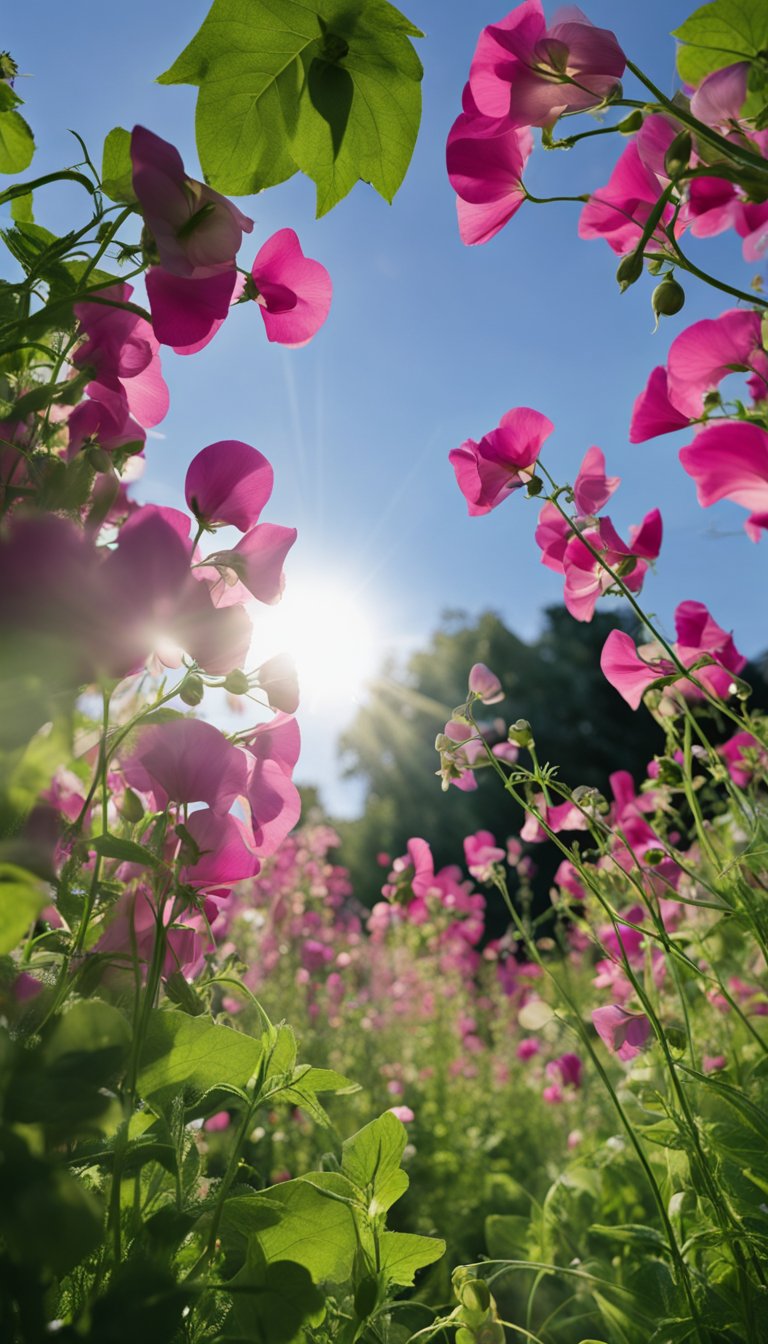
Sweet peas are delightful hardy annuals known for their incredible fragrance and beautiful blooms. These charming flowers are surprisingly tough despite their delicate appearance. You can plant them in late winter or early spring as soon as the soil is workable.
Don’t worry about cold temperatures! Sweet peas actually prefer cooler weather between 35-50°F to develop strong growth. They germinate best around 50-55°F, making them perfect for early season planting.
These are classic “cut-and-come-again” flowers, meaning the more you harvest, the more they’ll bloom. Floret Flower Farm offers dozens of long-stemmed varieties developed by renowned breeders.
Why We Love Them: Sweet peas earn their popularity through their intoxicating fragrance that fills any room. You’ll appreciate their lengthy vase life and how well they pair with other spring blooms. Plus, they’re pollinator-friendly and keep producing all season with regular harvesting!
2) Pincushion Flower
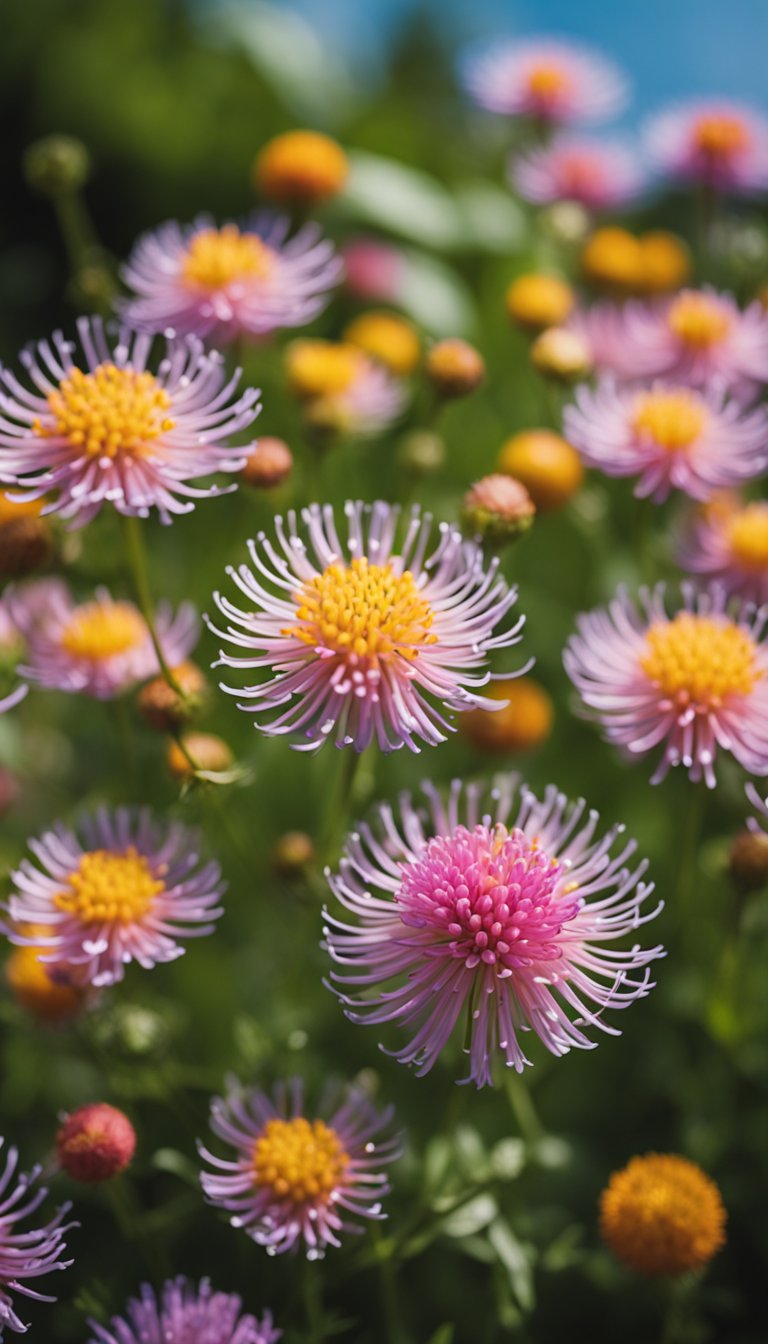
Pincushion flowers (Scabiosa) are charming hardy annuals that add unique texture to any garden. They get their name from their distinctive spiky ball centers surrounded by delicate petals that resemble old-fashioned pincushions.
These versatile bloomers stand on strong, wiry stems that reach 36-40 inches tall, making them perfect for cutting gardens. Their blooms come in lovely colors including salmon pink, which adds a soft touch to flower arrangements.
Did you know pincushion flowers take their sweet time to bloom? They need about 80-100 days from planting to flowering, so a bit of patience is required. But trust me, they’re worth the wait!
Plant them in full sun and space them about 9 inches apart for best results. Unlike some annuals, they don’t need pinching to encourage branching.
Why We Love Them: Pincushion flowers are incredibly versatile – use them fresh in bouquets or dried for long-lasting arrangements. They’re cold-tolerant and bloom for weeks with minimal care. Plus, they attract pollinators to your garden while adding unique texture!
3) Queen Anne’s Lace
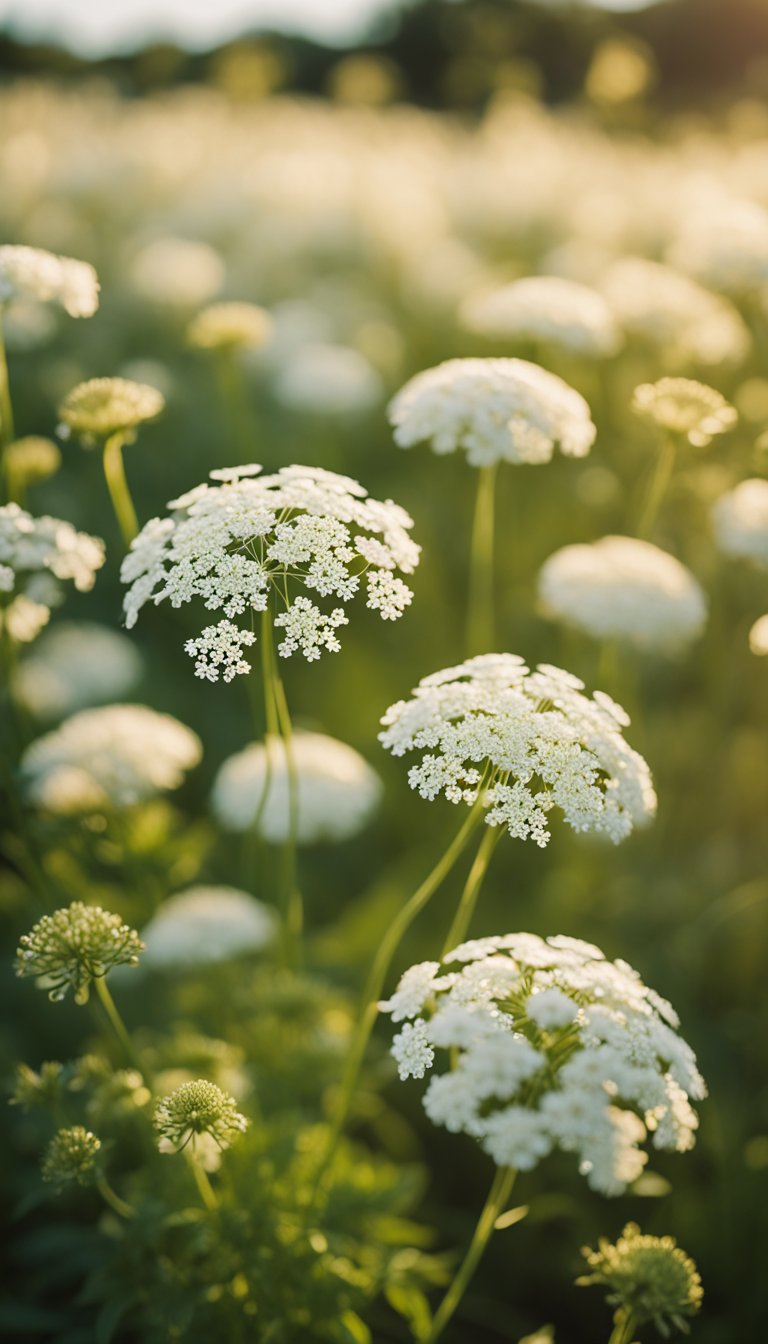
Queen Anne’s Lace, also known as Daucus carota, is a stunning hardy annual that adds an airy, delicate touch to any garden or bouquet. It grows between 2-4 feet tall with hollow branched stems covered in short, coarse hairs.
Did you know there’s also a “False Queen Anne’s Lace” called Ammi Majus? It’s native to Egypt’s Nile River Valley but offers similar lacy white flowers that gardeners adore.
The variety ‘Dara’ brings beautiful color variations to this classic flower. There’s even a “Queen of Africa” variety that can reach impressive heights of 48-65 inches in the right conditions!
These beauties take about 90-110 days to mature and prefer full sun. Plant them about 12 inches apart for the best results.
Why We Love Them Queen Anne’s Lace breaks up compacted clusters in arrangements and adds wonderful depth to flat foliage. They’re also champions at attracting beneficial insects that help with pollination and natural pest control in your garden!
4) Rudbeckia hirta ‘Rustic Dwarf’
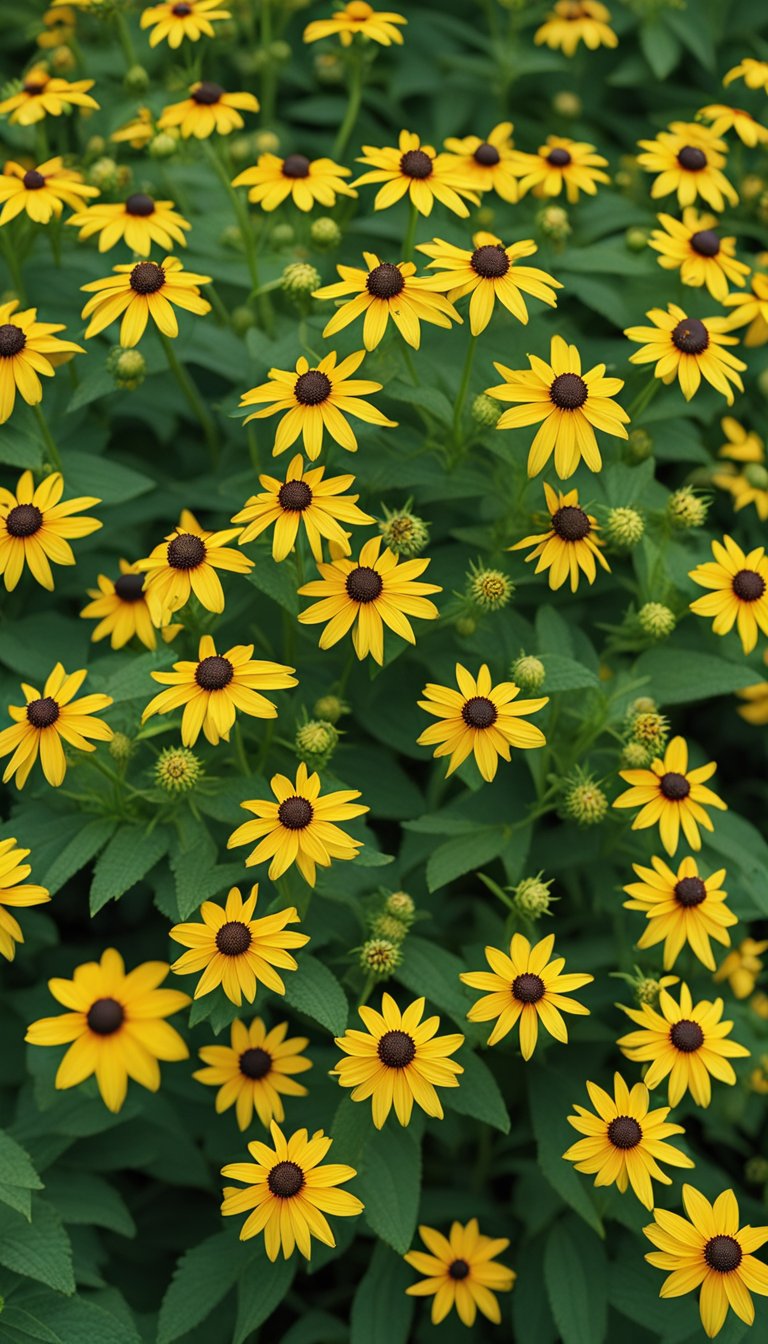
Isn’t it amazing when you find a flower that’s both beautiful and easy to grow? Rudbeckia ‘Rustic Dwarf’ (also called Black-eyed Susan) is exactly that! This compact variety grows to about 50cm tall, making it perfect for smaller gardens or containers.
These cheerful plants offer vibrant blooms in a stunning mix of colors – golden yellow, bronze, and rich mahogany – all featuring that signature dark brown or black center. The contrast is truly eye-catching!
You’ll love how these flowers stand up well to wet weather, so you don’t have to worry about summer storms ruining your garden display. They also make fantastic cut flowers for indoor arrangements.
Want to keep them blooming? Just deadhead the spent flowers. They grow best in full sun or light shade and prefer fertile soil with plenty of organic matter.
Why We Love Them: These flowers attract bees, butterflies, and other pollinators to your garden. They’re fast-growing with an extended bloom time, giving you weeks of color. Plus, their compact size fits almost anywhere!
5) Calendula
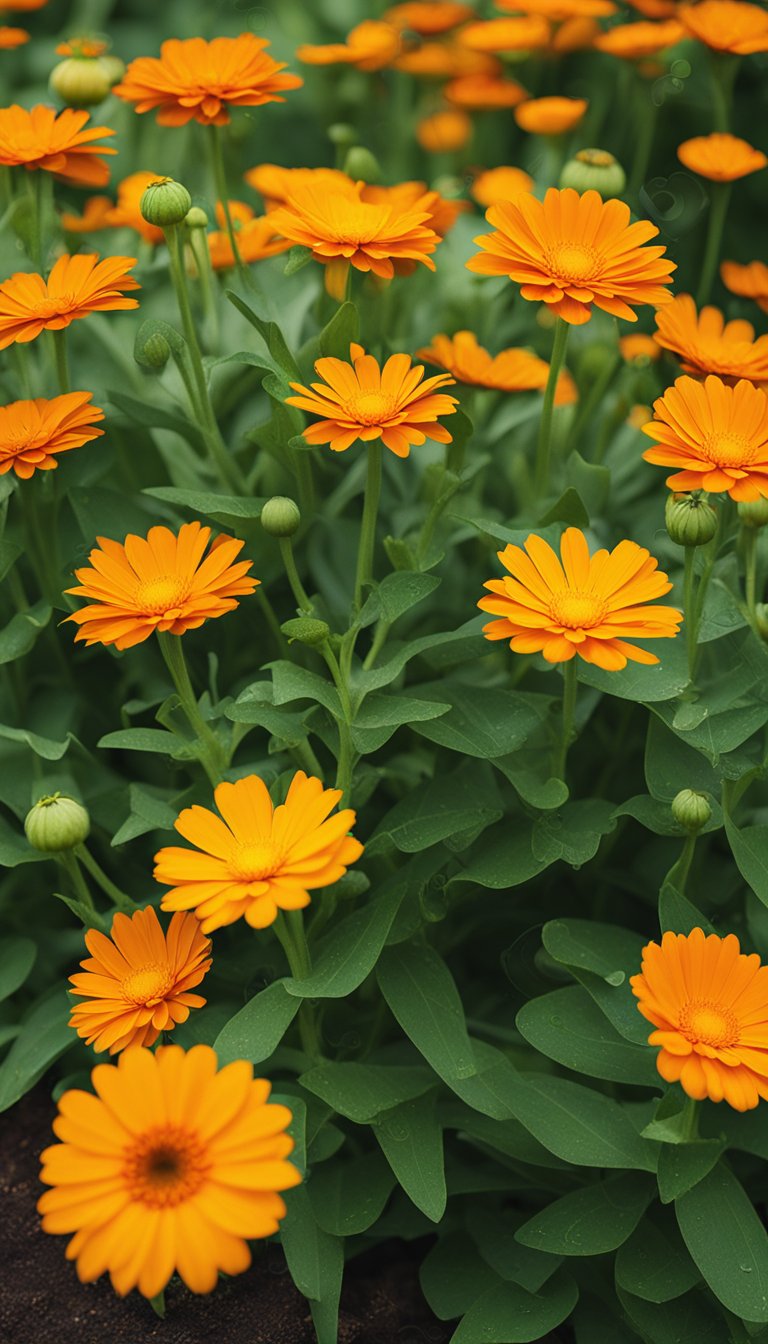
Calendula, often called pot marigold, is a cold-hardy annual that brings cheerful pops of yellow and orange to your garden. These bright blooms prefer cooler temperatures and will flower abundantly until hot summer weather arrives. Unlike many annuals, calendulas can withstand light frosts and even continue blooming through them!
You can easily grow calendula from seed, and they mature quickly – just 6-8 weeks from sowing to flowering. They’re perfect for beginning gardeners since they require minimal care to thrive.
Calendula plants typically grow between 8 to 24 inches tall, making them versatile for different garden spaces. You can plant them in beds, borders, or containers for a splash of color.
Why We Love Them: Calendulas aren’t just pretty faces in the garden! They have edible petals that add color to salads and have been used for centuries in herbal remedies. They’re also excellent companion plants that attract beneficial insects while deterring some garden pests.
6) Alyssum
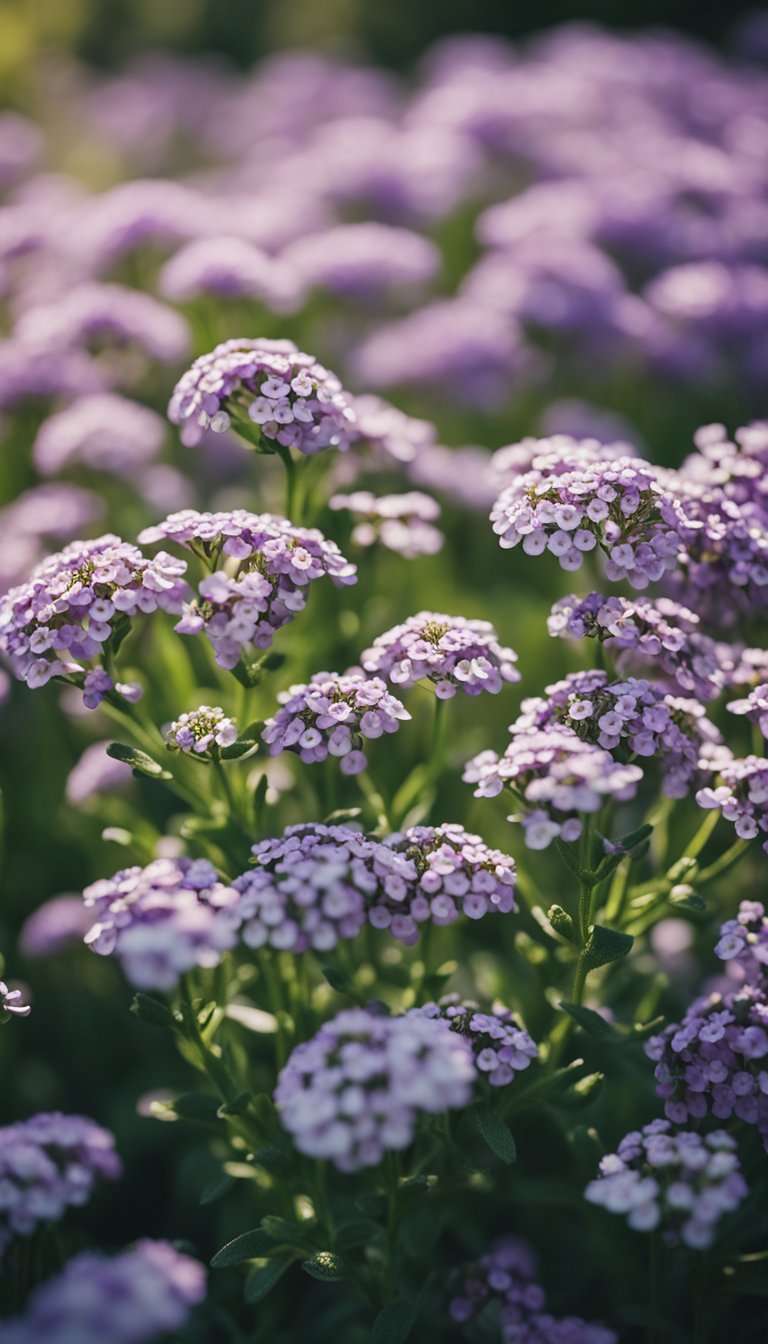
Sweet Alyssum is a charming, low-growing hardy annual that creates carpets of tiny, fragrant flowers. This easy-to-grow plant blooms in white, pink, or purple, making it perfect for garden edges and containers.
You’ll love how versatile Alyssum is in your garden! It tolerates both full sun and partial shade, though it prefers cooler spots in hot climates. The flowers bloom heavily in spring and fall, with a bit of a break during summer’s heat.
Did you know Alyssum is quite tough despite its delicate appearance? It handles drought well once established, though regular watering keeps it looking its best and blooming more profusely.
Why We Love Them We love Alyssum for its sweet honey scent that attracts pollinators to your garden. Its cold hardiness means it often self-seeds, creating new plants each spring without any work from you! Plus, its compact size (just 3-6 inches tall) makes it perfect for filling small spaces with big impact.
7) Bachelor’s Buttons
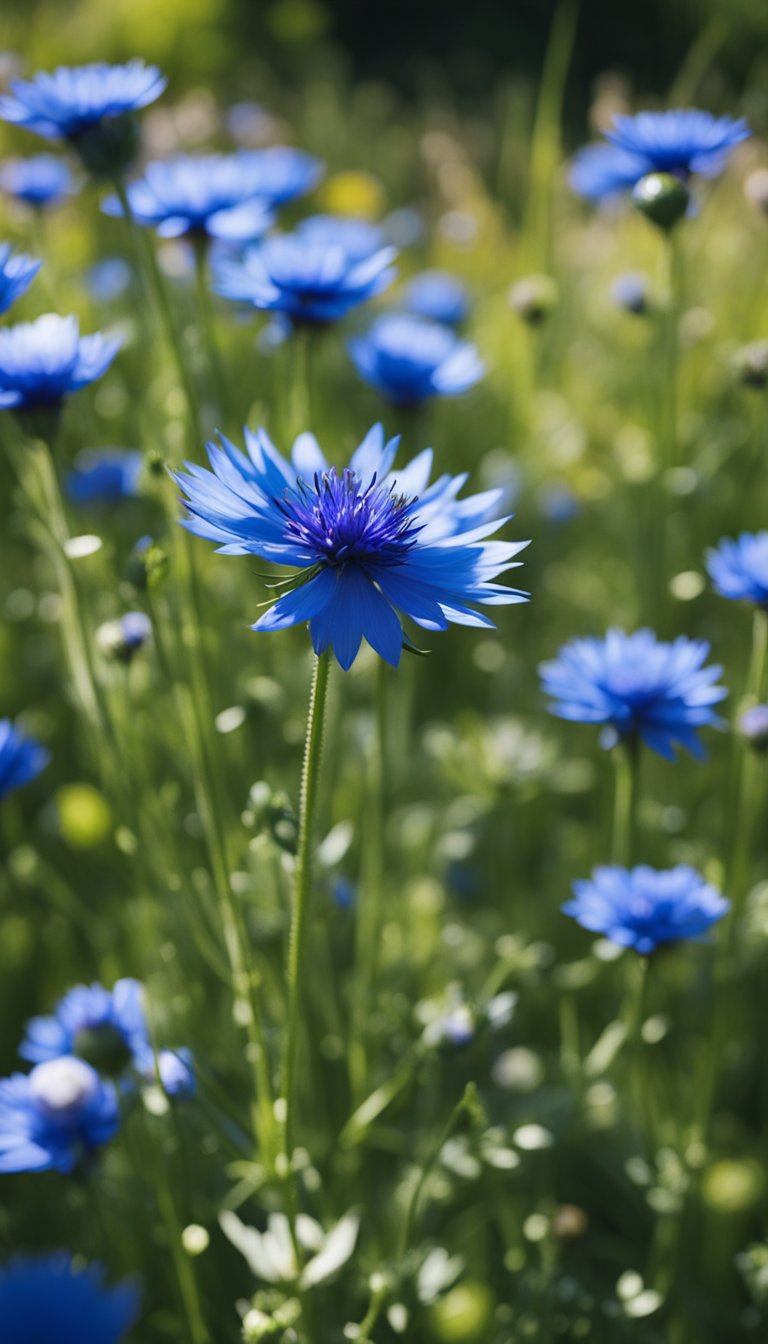
Have you ever spotted those charming blue flowers dancing in summer gardens? Those are Bachelor’s Buttons! Also known as cornflowers, these hardy annuals grow 36-40 inches tall and prefer full sun.
These delightful blooms are super easy to grow. They can thrive in dry soils and often reseed themselves, coming back year after year without much work from you.
Bachelor’s Buttons typically take 65-80 days to mature and should be spaced about 12 inches apart. You don’t need to pinch these plants – they’ll grow beautifully on their own.
What makes them extra special? The flowers are actually edible! You can add them to salads or herbal tea blends for a splash of color and subtle flavor.
Why We Love Them: Bachelor’s Buttons attract pollinators to your garden, make excellent cut flowers, and are deer resistant. Their classic blue blooms (though they come in other colors too) bring a touch of cottage garden charm wherever they grow.
8) Larkspur
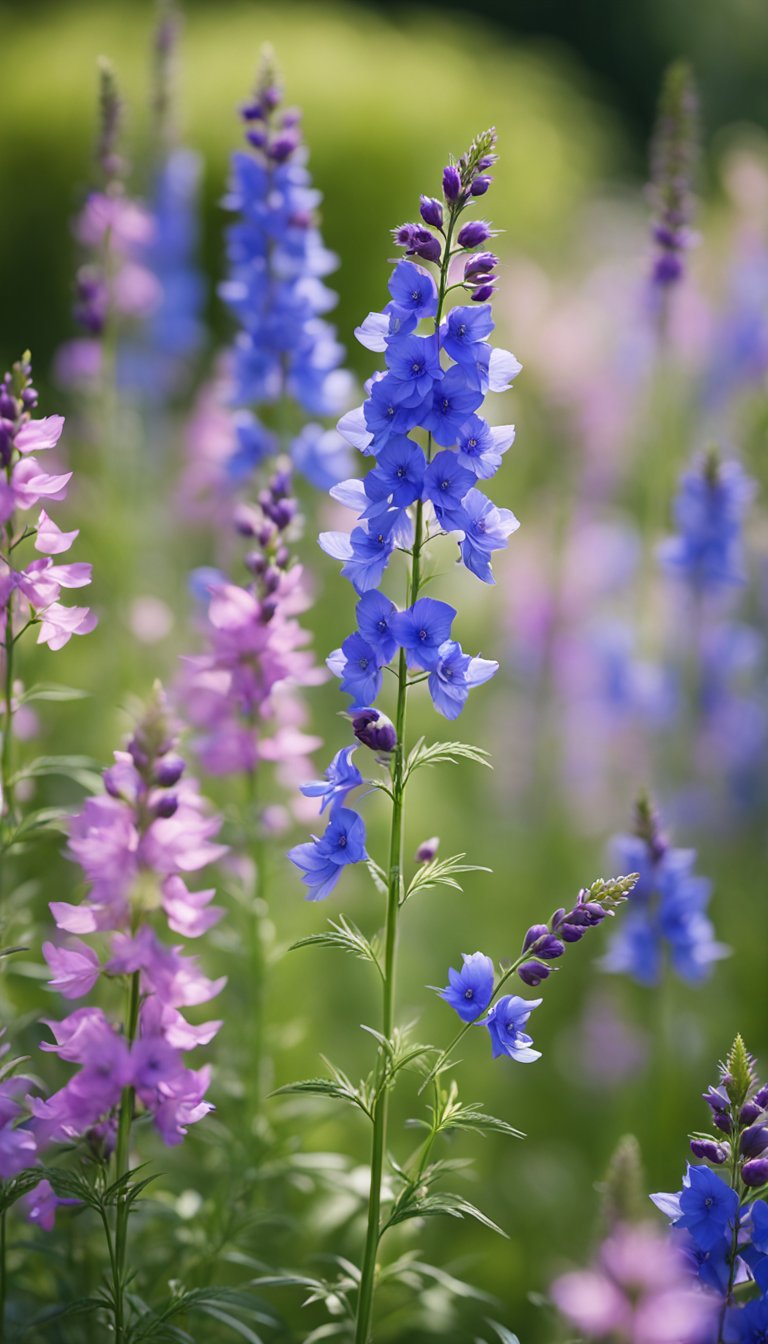
Looking to add some vertical drama to your garden? Larkspur might be just what you need! These elegant flowers produce tall spikes packed with beautiful blooms in shades of blue, pink, purple, and white.
Larkspurs are super cold-tolerant, meaning you can plant them in autumn even in chilly climates. They grow between 3-5 feet tall with delicate, feathery foliage that adds texture to your garden beds.
You’ll find them easy to grow in moist but well-drained soil. If you have heavy clay soil, just mix in some grit to improve drainage – these beauties don’t like wet winter feet.
Why We Love Them: Larkspurs are cut-and-come-again flowers, perfect for bouquets. They attract pollinators to your garden while adding height and old-fashioned charm. They’re also low maintenance yet deliver impressive blooms that keep giving throughout the season.
9) Delphinium
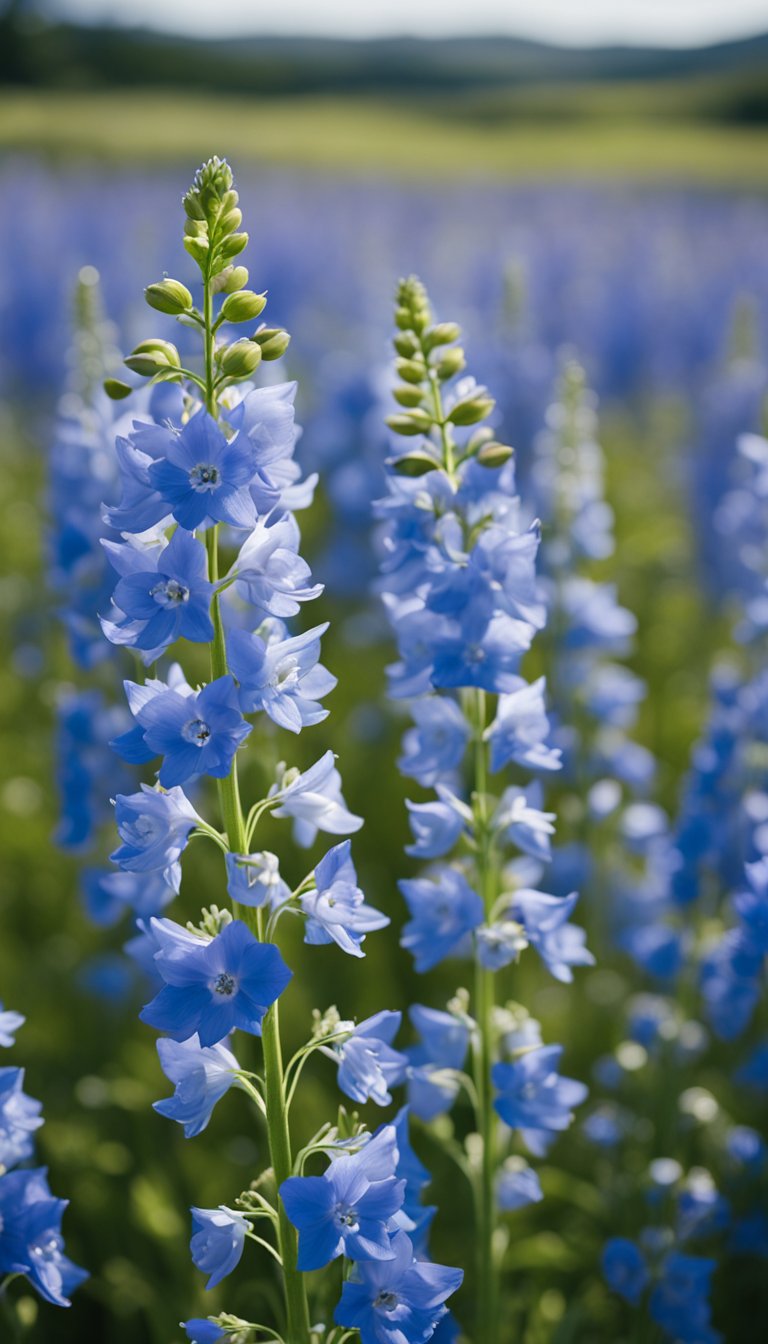
Looking to add some dramatic height to your garden? Delphiniums might be just what you need! These stunning perennials produce tall spikes of vibrant blooms that create a vertical accent in any garden space.
Delphiniums thrive in full sun and moist, well-drained soil. They’re surprisingly hardy, especially in Northern Utah gardens, making them tougher than they look despite their delicate appearance.
You’ll want to place these beauties at the back of your border since they can grow quite tall. Their impressive height makes them perfect for creating that classic cottage garden look.
Have you considered the ‘Guardian Blue’ variety? It’s known to stop people in their tracks with its eye-catching color and long-lasting blooms!
Why We Love Them: Delphiniums bring drama and height to gardens with their towering flower spikes. They’re excellent cut flowers that add vertical interest to arrangements. Despite their elegant appearance, they’re actually quite hardy and can return year after year with proper care.
10) Foxgloves
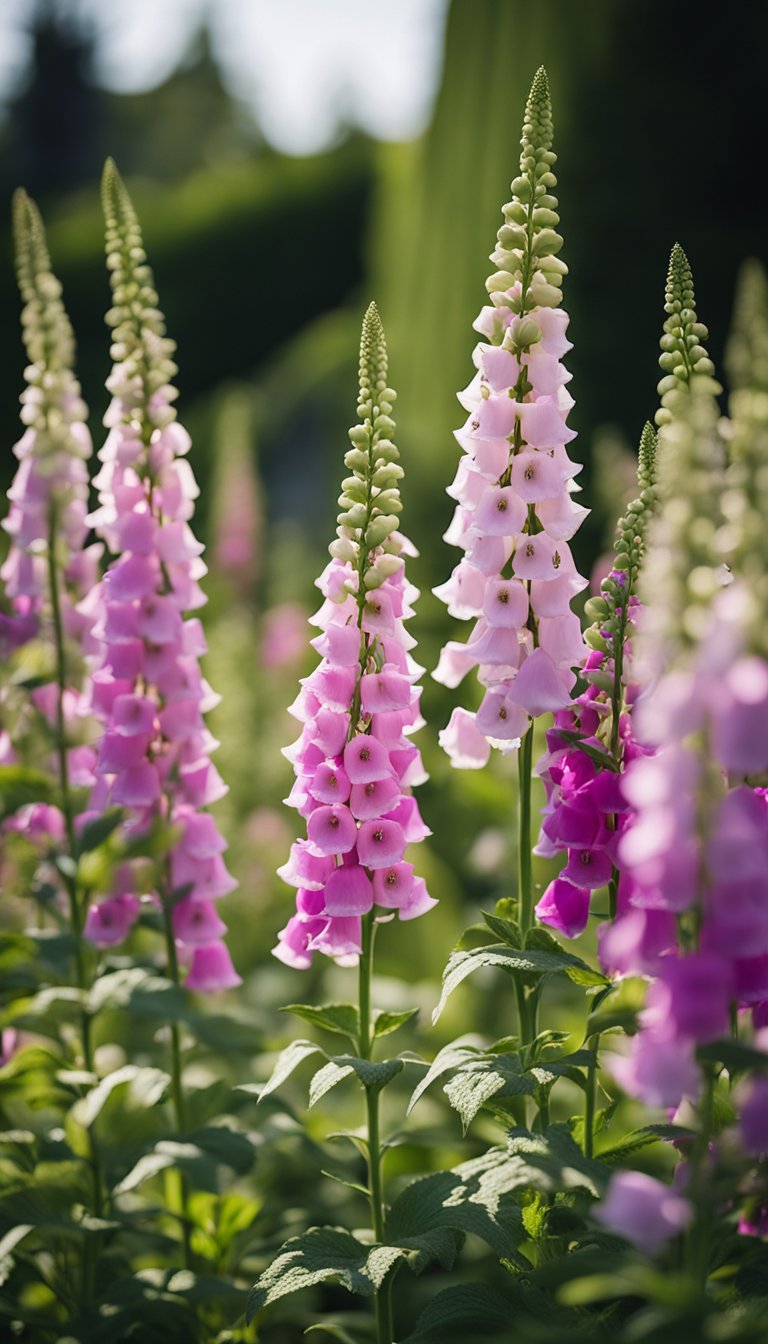
Foxgloves are stunning flowers that add vertical drama to your garden! Despite what some of our search results show, foxgloves can be grown as annuals. The “Foxy Foxglove” variety was even an All America Selection in 1967 and can flower in its first year.
These impressive plants grow quite tall, reaching 36-48 inches in height, creating a striking vertical accent in your garden beds. You’ll enjoy their tubular, bell-shaped blooms in colors like white, cream, yellow, violet, and various pink shades.
Foxgloves will bloom for two to three months starting in late spring, giving you plenty of time to enjoy their beauty. They’re also surprisingly hardy – some varieties can survive in zone 4 winter conditions!
Why We Love Them: Foxgloves bring that perfect cottage garden charm with their tall spires of tubular flowers. They’re excellent for attracting pollinators, particularly bumblebees, and create stunning vertical interest that few other annuals can match.
Understanding Hardy Annual Flowers
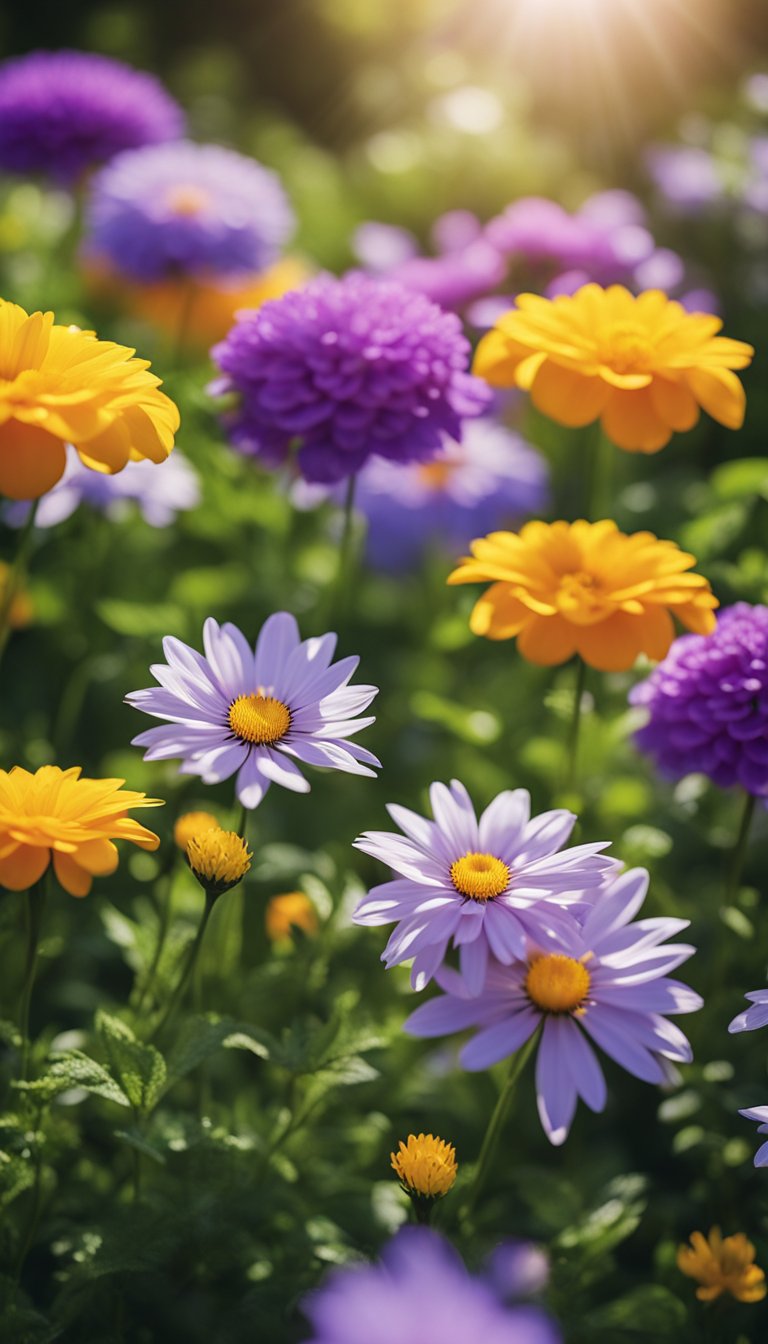
Hardy annual flowers are a versatile and rewarding addition to any garden. These resilient plants complete their entire life cycle in a single growing season while offering impressive cold tolerance that sets them apart from other annuals.
What Are Hardy Annuals?
Hardy annuals are plants that go from seed to flower to seed within one growing season, but unlike tender annuals, they can withstand frost and freezing temperatures. This cold tolerance makes them special! You can often sow them directly in the garden in early spring or even fall in some climates.
What makes an annual “hardy”? It’s their ability to survive light frost and moderate freezing without damage. Think of them as the tough cookies of the flower world! Common examples include sweet peas, larkspur, bachelor’s buttons, and calendula.
Unlike half-hardy or tender annuals that die with the first frost, hardy annuals can handle cooler conditions, which extends their growing season considerably.
Benefits of Growing Hardy Annuals
Hardy annuals are some of the hardest-working plants you’ll find! They provide beautiful blooms in late spring and early summer, often filling the gap before summer perennials hit their stride.
These plants are typically easy to grow and low-maintenance. Many hardy annuals actually prefer cooler temperatures and will struggle in intense summer heat. This makes them perfect for:
- Early season color
- Spring cutting gardens
- Cool-climate gardens
- Beginning gardeners looking for success
You’ll save money too! Most hardy annuals can be direct-sown right in the garden bed, eliminating the need for grow lights or indoor seed-starting setups. They’re also great self-seeders, often returning year after year if you allow some flowers to go to seed.
Planting and Maintenance Tips
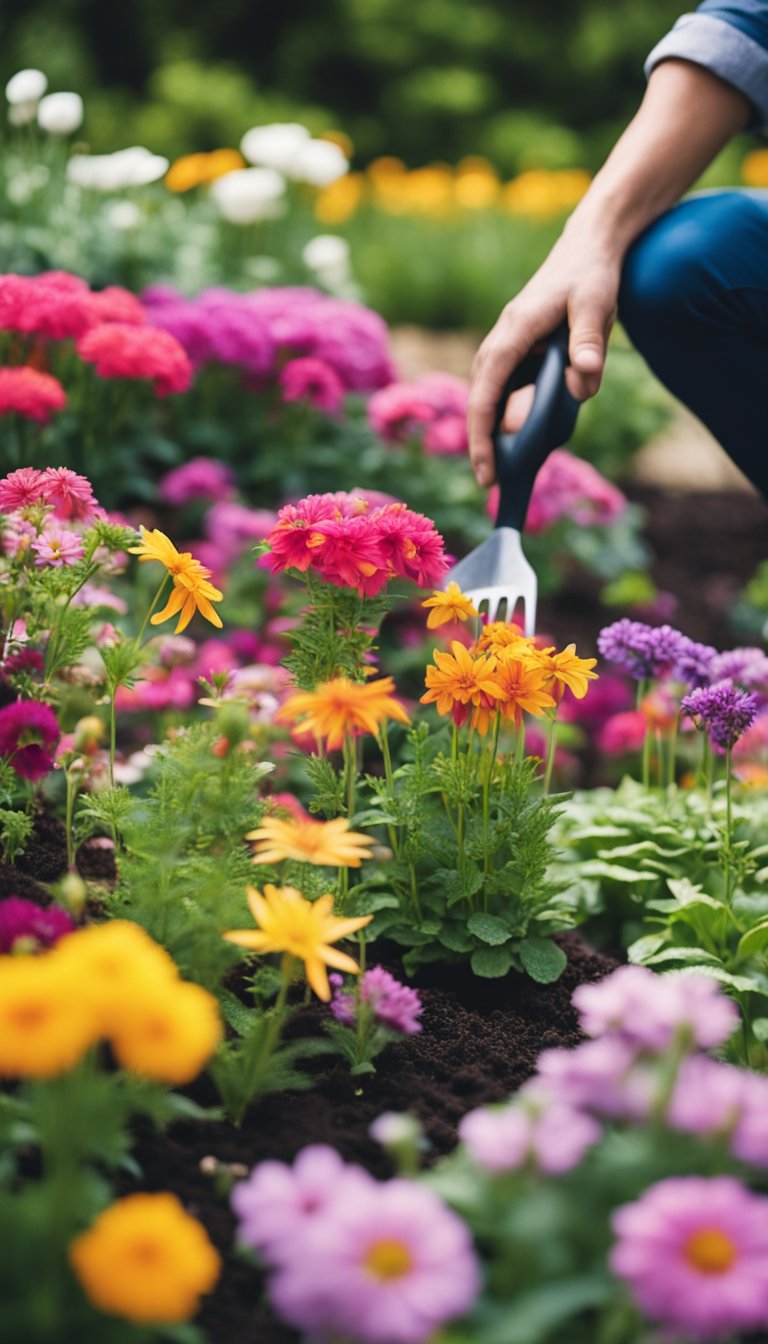
Hardy annuals are some of the easiest flowers to grow, but they still need proper care to thrive. With the right conditions and a little attention, these flowers will reward you with beautiful blooms all season long.
Ideal Soil and Weather Conditions
Hardy annuals prefer well-draining soil that’s rich in organic matter. Before planting, work some compost into your garden bed to improve soil quality. Most hardy annuals need full sun for at least 4-6 hours daily to produce abundant flowers.
You can sow these tough plants directly in the garden about 2 months before you want flowers. Spring is perfect for most regions! Hardy annuals can handle light frosts, making them great for early planting.
When preparing your planting area, make sure the soil is loose and free of large clumps. This helps the tiny seedlings emerge easily. Space your seeds according to the package directions – overcrowding leads to weak plants!
Watering and Fertilization Guidelines
Water your hardy annuals regularly, especially during dry spells. New seedlings need consistent moisture until they’re established. Once growing well, most hardy annuals only need watering when the top inch of soil feels dry.
Apply fertilizer sparingly – too much can lead to lots of leaves but fewer flowers! Use about 1 pound of slow-release or organic fertilizer per 100 square feet of garden area when planting.
Want more blooms? Try deadheading! Remove spent flowers regularly to encourage your plants to produce more. This simple maintenance trick keeps your garden looking fresh and extends the blooming season.
For container-grown annuals, water more frequently as pots dry out faster than garden beds. A weekly dose of half-strength liquid fertilizer will keep container plants happy and flowering beautifully all season.
Frequently Asked Questions
Growing hardy annuals can bring up many questions for gardeners. Here are answers to common questions that will help you succeed with these versatile flowers.
Which hardy annuals bloom throughout the year?
Sweet Peas are incredibly popular for their lovely fragrance and continuous blooming when regularly harvested. They produce beautiful flowers from late spring through early summer.
Calendula offers bright orange and yellow blooms that keep coming from spring until frost if you deadhead regularly. These cheery flowers are also edible!
Rudbeckia (Black-eyed Susan) varieties like ‘Rustic Dwarf’ bloom prolifically from midsummer until fall frost. Their daisy-like flowers add vibrant yellow to any garden.
Larkspur produces tall spikes of blue, pink, or white flowers that bloom consistently during cooler months. They self-seed readily for future years.
What are the best hardy annual flowers for growing in pots?
Sweet Alyssum works beautifully in containers with its honey-scented white, purple, or pink blooms. It creates a lovely cascading effect over pot edges.
Pansies and violas thrive in pots and can handle cool temperatures. Their charming “faces” come in countless color combinations for any container design.
Snapdragons grow well in deeper pots and provide vertical interest with their colorful flower spikes. They’re perfect for porch containers where you can enjoy their details up close.
Calendula performs excellently in containers at least 6 inches deep. Their bright flowers and compact growth habit make them ideal pot specimens.
What are the key differences between hardy annuals and perennials?
Lifespan: Hardy annuals complete their entire life cycle in one growing season, while perennials return year after year from the same roots.
Planting timing: Hardy annuals can often be direct-sown in fall or early spring, while perennials typically need longer establishment periods.
Blooming period: Many hardy annuals provide non-stop blooms throughout their growing season, while perennials usually have specific blooming windows.
Cost efficiency: Hardy annuals often provide more flowers per dollar spent than perennials in their first year, making them budget-friendly options.
Which hardy annuals thrive in shady areas?
- Bachelor’s Buttons tolerate partial shade and still produce their classic blue blooms. They need about 4-5 hours of sunlight daily to perform well.
- Pansies and violas flourish in shady spots, especially during hot summer months when shade protects them from excessive heat. Their cheerful faces brighten up darker corners.
- Forget-me-nots prefer cooler, shadier locations and produce masses of tiny blue flowers in spring. They self-seed readily in moist shade.
- Sweet Alyssum can handle partial shade locations while still producing its honey-scented blooms. In hot climates, afternoon shade actually helps extend their flowering period.
How do I care for hardy annuals in zones 6 and 7 for best growth?
Start hardy annuals like Sweet Peas and Larkspur in fall or very early spring to take advantage of your zone’s cool season. This gives them time to develop strong roots before summer heat.
Water consistently during establishment but avoid overhead watering which can promote fungal issues. Most hardy annuals prefer about 1 inch of water weekly.
Apply a light organic mulch around your plants to keep soil temperatures moderated and moisture consistent. This is especially helpful for keeping plants like Calendula blooming longer.
Feed lightly with a balanced organic fertilizer every 4-6 weeks during the growing season. Too much nitrogen can reduce flowering in favor of leafy growth.
What are the easiest hardy annuals for beginners?
- Calendula is incredibly forgiving and easy to grow from seed. Its bright orange and yellow flowers bloom for months with minimal care, and it’s known to self-seed readily.
- Queen Anne’s Lace produces delicate white umbels that look beautiful in the garden and in bouquets. It grows easily with little attention once established.
- Pincushion Flower (Scabiosa) is straightforward to grow and produces charming blooms on long stems perfect for cutting. Regular deadheading encourages continuous flowering.
- Sunflowers are nearly foolproof with their quick germination and rapid growth. Even beginners can enjoy these cheerful giants with basic care and full sun.


